

How Much Does a Wedding Videographer Cost in Los Angeles? 2026 Prices

Wedding videography is the one vendor on your list whose price is almost impossible to compare, because two quotes for “a wedding video” in Los Angeles can mean four hours with one camera and a three-minute edit, or ten hours with two filmmakers, analog film, and a delivery that takes months of work after the day itself.
This guide is our own pricing laid out in full, alongside what the rest of the LA market charges and why. We are Andrew and Roma – Andrew directs and shoots, Roma produces and runs the second camera. We shoot weddings in Los Angeles and New York, we edit every film ourselves, and the numbers below are what we actually charge in 2026.
In this article
Quick answer: wedding videographer prices in Los Angeles
A wedding videographer in Los Angeles costs $2,500 to $5,500 for full-day coverage in 2026. Six hours with one videographer starts around $3,500, eight hours with two videographers and drone coverage runs about $4,800, and ten hours with analog Super 8 film added is about $5,890. Elopement coverage of four hours starts at $1,900, and photo and video together runs $3,600 to $11,190.
Below that range you are usually buying fewer hours or a single camera. Above it you are buying multi-day coverage, a larger crew, or a studio with a year-long waiting list. The rest of this guide is the detail: what each price band includes, what the add-ons cost, what LA traffic and permits do to your coverage window, and where cutting back is safe.
How much does a wedding videographer cost in Los Angeles?

Wedding videography in Los Angeles runs from about $1,000 at the entry level to $20,000 and beyond for multi-day luxury coverage. The working range for a full wedding day is $2,500 to $5,500, and most couples end up allocating 10 to 15 percent of the total wedding budget to video.
The number itself matters less than what sits behind it. Here is what each band of the LA market actually buys.
| What you’re booking | LA price range | Usually includes | Best for |
|---|---|---|---|
| Newer or part-time videographer | $1,000–$2,000 | 4–6 hours, one shooter, one highlight film, audio from the camera or one lav mic | Courthouse ceremonies, backyard weddings under 40 guests, couples who want a record of the day and nothing more |
| Working professional | $2,500–$4,500 | 6–8 hours, one or two shooters, highlight film plus trailer, wireless audio, color grading | Most full wedding days in LA, single venue, guest counts under 150 |
| Established studio | $4,500–$7,000 | 8–10 hours, two shooters, drone where permitted, full ceremony and speeches edits, film formats | Multiple venues, large guest counts, weddings with a getting-ready block in a separate location |
| Luxury and multi-day | $8,000–$20,000+ | Multi-day coverage, larger crew, same-day edits, custom formats | Multi-event weekends, destination weddings, productions run by a planner on a shot schedule |
Our own video packages run $3,500 to $5,890, which puts them in the third band. What that pays for is two filmmakers who have worked together for over a decade, ceremony audio recorded on wireless mics rather than picked up by a camera, and an edit we do ourselves instead of sending it to a contractor.
How do LA prices compare to the national average?
The national average for a wedding videographer is $2,300, according to The Knot Real Weddings Study of couples who married in 2025. WeddingWire’s cost guide puts it at $1,799, with most couples spending between $1,000 and $2,500. Both figures pool every market in the country and include two-hour and half-day bookings.
The same Knot study puts the West at $2,200. Los Angeles sits above that regional number for reasons that are specific to working here: distances between venues are long enough that travel eats billable coverage, film permits are required at most city parks and county beaches, and the same crews are competing with commercial production for weekend availability.
If you are comparing quotes, the national average is a useful sanity check on the low end and not much use at the top. For a full ten-hour day in LA with two filmmakers, expect to start where those averages finish. Our NYC guide has the same breakdown for New York, where the market runs higher again.
What affects wedding videography pricing?
Six things move the number on a videography quote, and each one has a price you can see in our own tiers.
Hours of coverage. The base rate. Six hours covers the ceremony and part of the reception at $3,500. Ten hours covers the day end to end at $5,890. Nothing else on this list moves the total as much.
One videographer or two. A second camera means the ceremony can hold both faces at once, and it means someone is filming the room while the other is on the speaker. It is included from eight hours up. Below that it is an add-on.
How audio is recorded. The cheapest quotes record the ceremony from the camera position, which in an outdoor LA venue means wind and traffic under your vows. Wireless mics on the couple and the officiant are the difference between a film you rewatch and one you mute.
What you receive. A single highlight film is one edit. A highlight plus a trailer plus a full ceremony edit plus a speeches edit is four, and each is priced by the hours it takes rather than by the file it produces.
Add-ons. Drone coverage, Super 8 film, extra hours, raw footage, vertical social edits. These are where a $4,800 package becomes $6,000 without the coverage window changing at all.
Travel and logistics. Malibu, Ojai, Palm Springs and Santa Barbara all sit far enough out that the day starts with a drive. Details in the travel section below.
The one factor couples rarely see on a quote is the edit. A ten-minute film comes out of somewhere between 30 and 60 hours of post-production – syncing multi-camera footage, cutting to music, matching color across cameras and light conditions, and mixing vows recorded on three sources. That work is why delivery takes months and why two quotes with the same coverage hours can differ by thousands.
What do wedding videography packages include?
Almost every wedding videography package is built from the same three variables: how many hours the crew is with you, how many people are filming, and how many edits you get afterwards. Once you can read a package in those terms, comparing quotes takes about a minute.
This is what each length of coverage covers on a normal LA wedding day.
| Coverage | What it reaches | Team | Typical deliverables | Typical LA price |
|---|---|---|---|---|
| 4 hours | Ceremony and portraits, or a full elopement | 1 videographer | 3–5 min film, short trailer | $1,500–$2,500 |
| 6 hours | Ceremony, portraits, dinner and first dance | 1 videographer | 4–5 min film, 1 min trailer | $3,000–$4,000 |
| 8 hours | Getting ready through speeches and dancing | 2 videographers | 6–8 min film, trailer, drone | $4,300–$5,500 |
| 10 hours | Full day end to end, extended reception | 2 videographers | 7–10 min film, trailer, drone, film formats | $5,500–$7,000 |
| Multi‑day | Welcome dinner, wedding day, brunch | 2+ videographers | Multiple films per event | $8,000+ |
What should be in any package at any price: a highlight film, professionally recorded ceremony audio, color grading, and a written delivery window. What is usually an add-on: drone coverage, Super 8 or other film formats, a full ceremony edit, a full speeches edit, raw footage, vertical social edits, and any coverage beyond the booked hours.
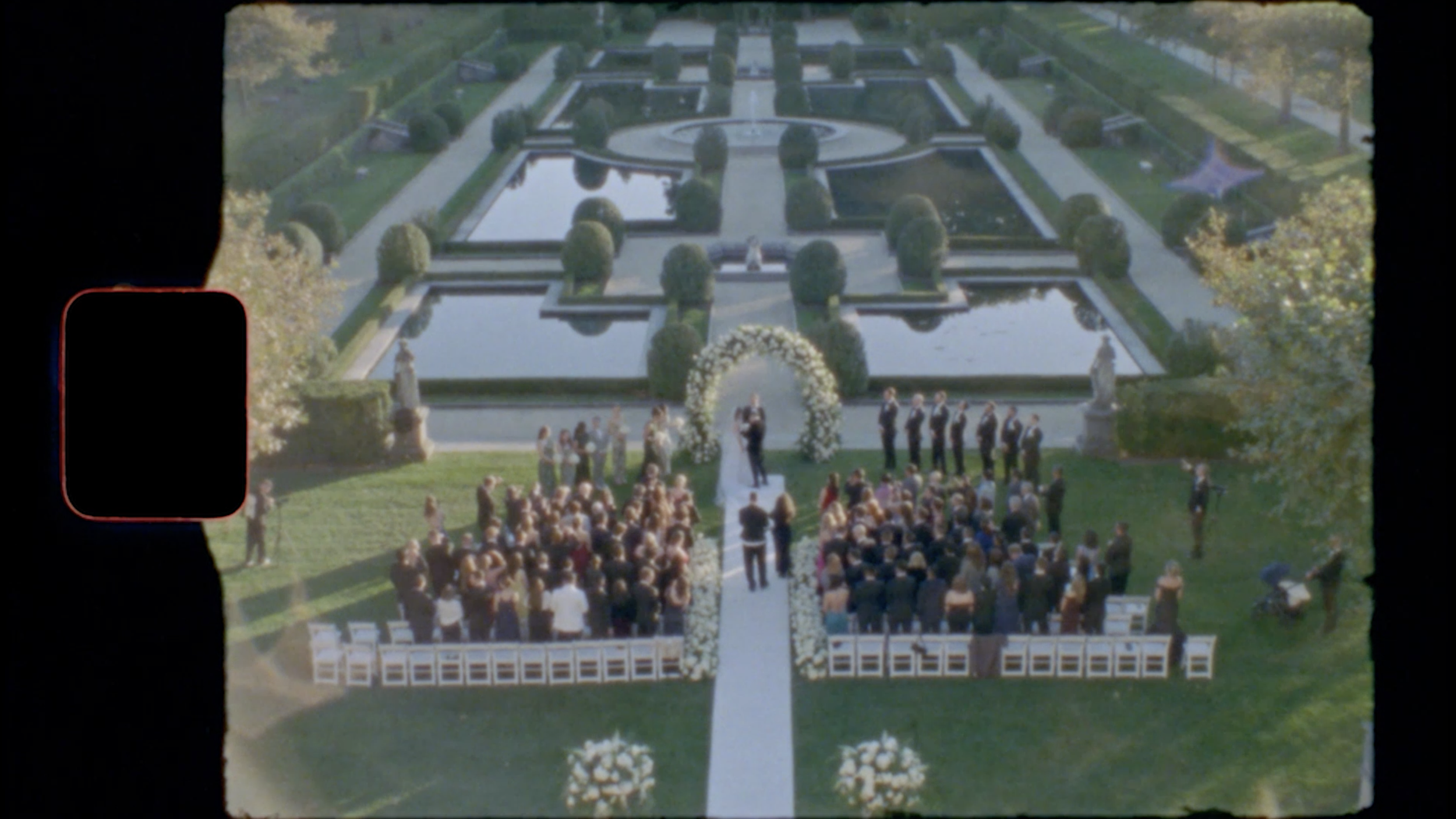
How to compare two quotes that look similar. Line up the hours first, then the number of people filming, then how ceremony audio is captured, then the number of separate edits, then the delivery window in writing. Two packages within $500 of each other usually differ on one of those five, and it is normally the audio or the delivery date.
Arrakis Films wedding video packages and prices for 2026
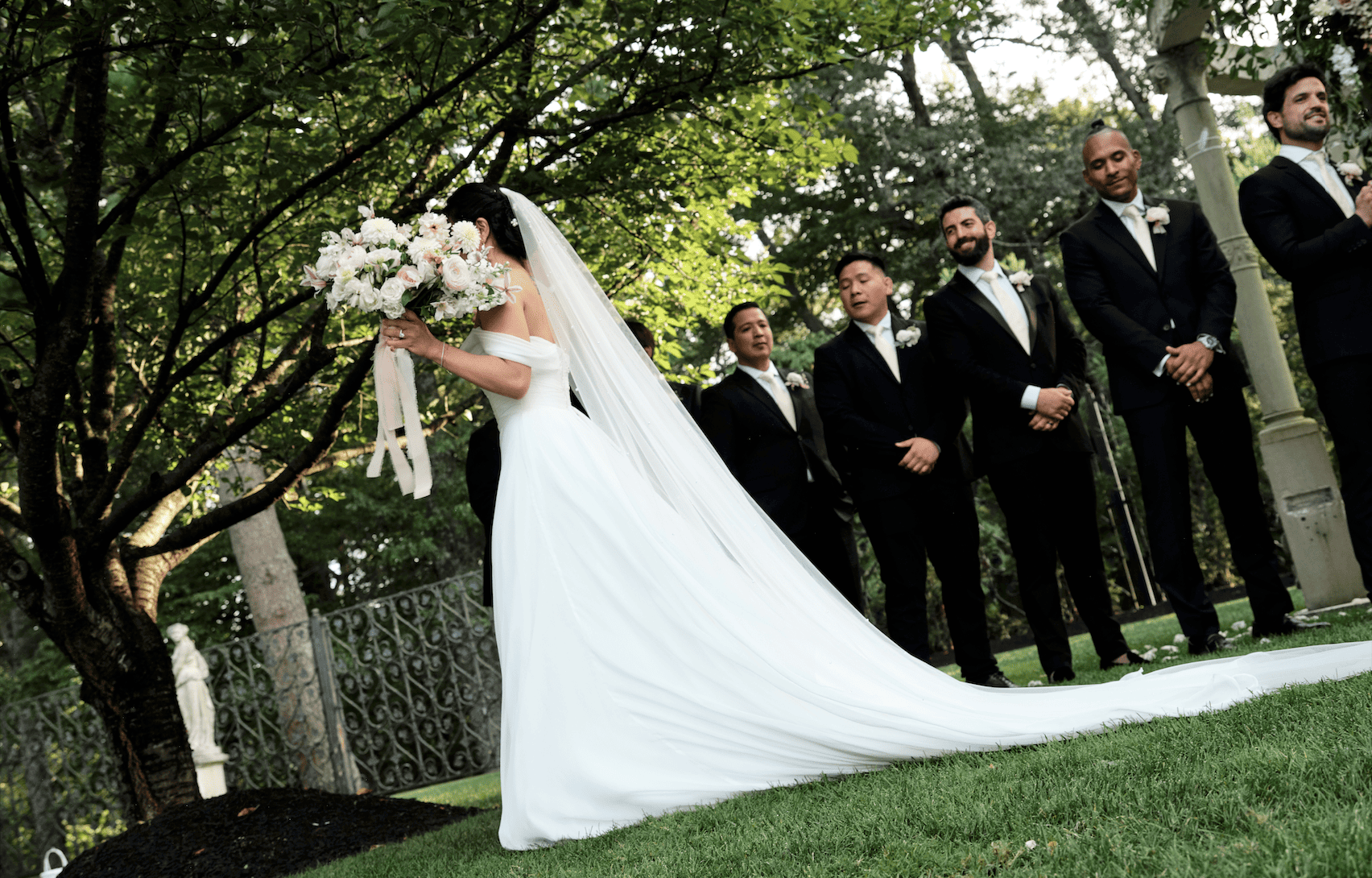
Our packages are one format and one block of hours. Coverage length sets the price, and each length is available as video only, photo only, or both.
Every package includes a private online gallery for a year and unlimited downloads. If none of them match your timeline, coverage can be built element by element from $250.
| Package | Coverage | Team | You receive | Price | Best for |
|---|---|---|---|---|---|
| Runaways in Love | 4 hours | 1 videographer | 3–5 min film, 1–2 min trailer | $1,900 | Elopements, courthouse ceremonies, Joshua Tree and desert days with under 20 guests |
| Whispered Vows | 6 hours | 1 videographer | 4–5 min film, 1 min trailer, professional audio, color grading | $3,500 | Intimate weddings in one venue, short timelines, couples who care most about the ceremony and the toasts |
| Endlessly Yours | 8 hours | 2 videographers | 6–8 min film, 1–2 min trailer, drone where conditions allow, professional audio, color grading | $4,800 | A standard full wedding day from getting ready through the dancing – the most common choice |
| Moving Symphony | 10 hours | 2 videographers | 7–10 min film, 1–2 min trailer, drone, Super 8 film, professional audio, color grading | $5,890 | Large weddings, more than one location, extended receptions, and anyone who wants analog film in the edit |
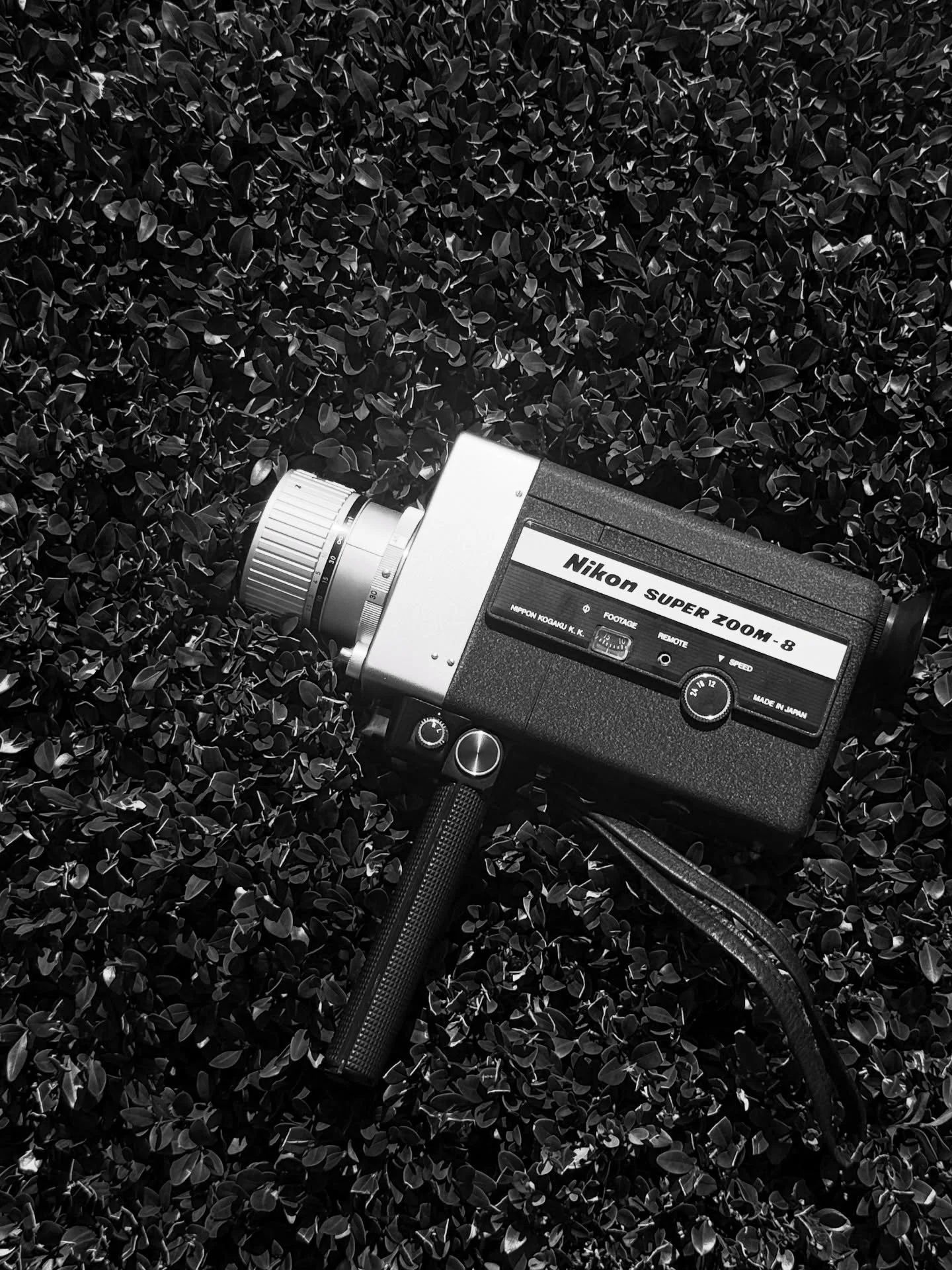
Is Super 8 worth the extra cost? It is included at ten hours and available as an add-on to any other package. Super 8 is real 8mm film shot on a Braun Nizo 3056 alongside the digital cameras – visible grain, slight gate weave, roughly three minutes of usable film per roll, so it goes on the moments we know are coming. In the edit it sits as its own texture next to the digital footage, which is a different thing from a filter applied afterwards. It is worth it if you already like the way film looks and you are comfortable with a format where there is no screen to check. It is not worth it if you want every part of the day covered twice.
How much do photo and video together cost in LA?
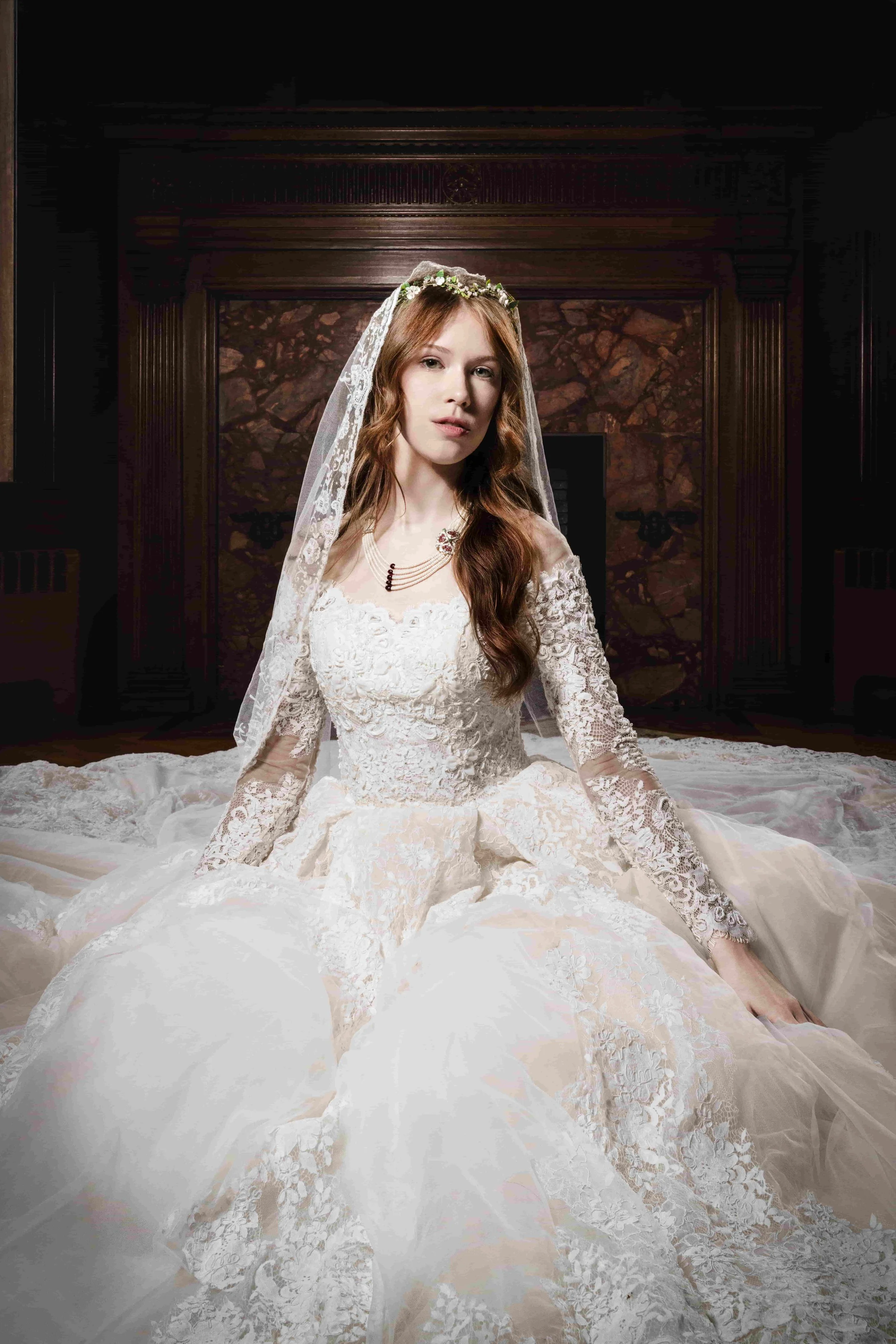
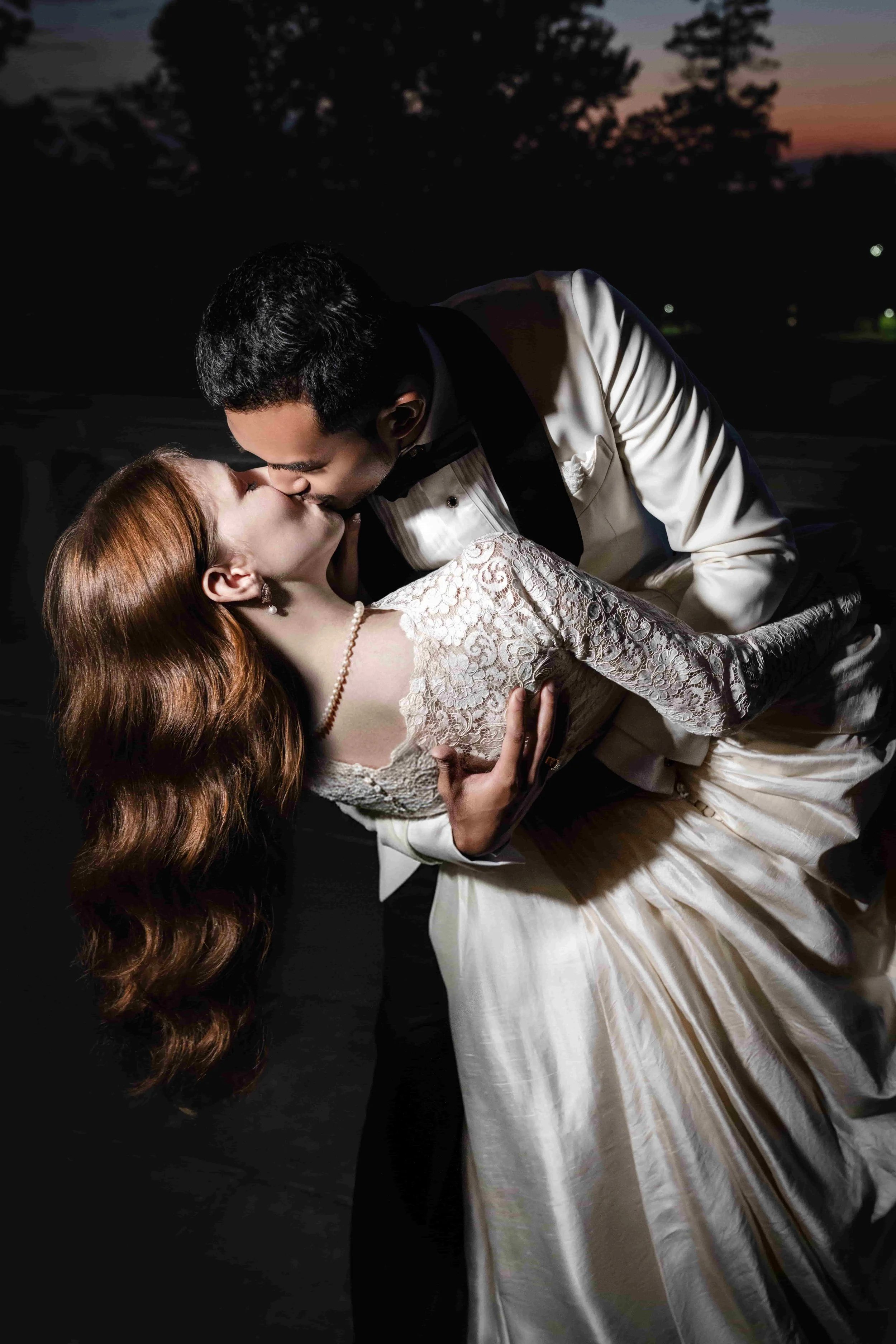
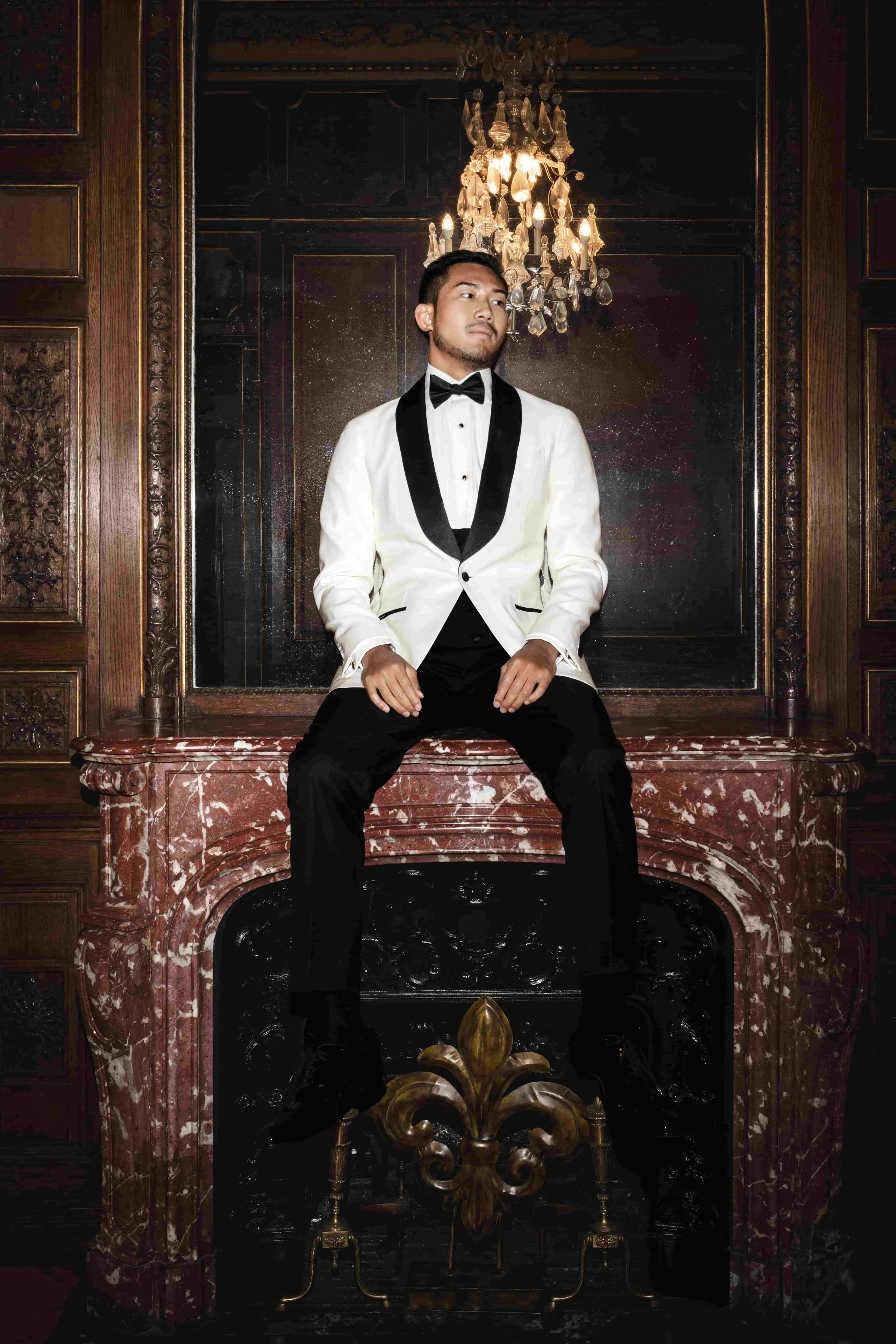


Photo and video together costs $6,800 for six hours, $9,120 for eight hours, and $11,190 for ten hours. Elopement coverage with both is $3,600 for four hours. Each includes a dedicated photographer and a dedicated videographer working the same window, with separate deliverables on each side.
Booking both from one studio costs less than hiring two teams of the same level, and it removes a coordination problem you would otherwise solve on the day. Two crews who have never met end up competing for the same position during the ceremony and the first dance, and the one holding the long lens usually wins. Ours divide the angles before anyone arrives.
Best for: ceremonies where the key moments pass in seconds, weddings across more than one location, and couples who want both prints and a film without choosing.
Our ten-hour combined package, Forever Yours, covers the day with two photographers and two videographers, drone footage where the venue and weather allow, Super 8 film, a 7–10 minute film with trailer, and 550+ edited high-resolution images. Couples who cannot fit both this year usually book photography now and step up to combined coverage a tier higher.
How much does a videographer charge per hour in Los Angeles?

Wedding videographers in LA effectively charge $475 to $600 per hour of coverage, but almost nobody sells wedding work by the hour, and the reason matters when you are comparing quotes.
Our own packages work out at $475 an hour for four-hour elopement coverage, $583 for six hours, $600 for eight, and $589 for ten. The rate stays flat because the hours you book are only part of what you are paying for. A ten-hour wedding produces somewhere between 30 and 60 hours of editing, and that work is the same whether you booked at the top or the bottom of the range.
Commercial and event videography in LA does sell by the hour or the day, usually $500 to $1,500 for a half day and $1,200 to $3,000 for a ten-hour day with one operator and no edit included. Those numbers look cheaper than a wedding package until you add the edit, and a wedding is the one shoot where nothing can be filmed again.
What to do with an hourly quote. Ask what the hourly rate includes. If the answer does not cover the edit, the audio, and a delivery date, you are pricing a camera operator rather than a wedding film.
What are you actually paying for after the wedding?
Most of the price of a wedding film is work that happens after the day, and it is the part couples never see on a quote.
A ten-hour wedding gives us something between two and four terabytes of footage from two cameras, plus audio from wireless mics on the couple and the officiant, plus a recorder on the sound desk where there is one, plus whatever the drone got. The first pass is syncing all of it and finding the takes that are actually usable – the vow that landed, the speech that got the room, the moment nobody noticed at the time.
Then the edit itself: cutting to music, matching color between two cameras that shot the same ceremony in different light, and mixing three audio sources so the vows sit above the wind and the guests. Between 30 and 60 hours of it for a single ten-minute film.
The two of us do all of it, with no outside editor in the chain. That is the reason our delivery window is long and honest: photos within a month, films in four to six months, with the 1–2 minute trailer arriving first. When a studio promises a finished film in three weeks in the middle of the season, the edit is going somewhere else.
Which add-ons are worth paying for?
Add-ons are where a package quietly grows by a third without a single extra hour of coverage. These are the ones that change the film, and the ones that mostly do not.
A second videographer. Worth it when getting ready happens in two places, when the ceremony has a wide aisle or a raised altar where one camera cannot hold both faces, or when the timeline is tight enough that details and speeches overlap. Included in our eight- and ten-hour packages.
Drone coverage. Included from eight hours up, weather and venue permitting. In LA that permission is the hard part: airspace around LAX, Santa Monica, Burbank and Van Nuys is controlled, county beaches and most city parks require a permit for any launch, and Santa Ana winds in September and October ground a drone regardless of what the contract says. Worth it for estate, vineyard and open-landscape venues. For a downtown loft or a hotel ballroom the same money does more as a second camera.
Super 8 film. Included at ten hours, an add-on below that. Real 8mm, about three minutes per roll, used on the moments we know are coming.
A full ceremony edit. Unbroken, real time, no music. Worth it for religious, bilingual and long ceremonies, and for family who could not travel. This is what most couples actually want when they ask for raw footage.
Extra hours. Cheaper booked in advance than added on the day, because a crew that has to stay late is a crew that was scheduled to be somewhere else.
Raw footage. Rarely watched. Hours of unsynced clips with no audio mix, and it is the request we most often talk couples out of in favour of a ceremony edit.
Vertical social edits. Worth it if you know you want something to post in the first week. Ask for it before the edit starts rather than after, because reframing a finished horizontal cut costs more than shooting with both formats in mind.
What LA-specific things affect your videography budget?
Four things about filming in Los Angeles change how many hours you need to book, and they are the reason two identical guest lists can need different coverage windows.
Distance is billable. A wedding that gets ready in Pasadena, marries in Malibu and dances downtown is three drives, and on a Saturday afternoon that is easily two hours of your coverage spent on the 10 and the PCH. Couples who book eight hours for that timeline lose most of the getting-ready block. Either cluster the day inside one area or book the ten-hour package.
Permits. Los Angeles city parks, county beaches and state beaches all require a film permit for a shoot with professional gear, and the venue’s own rules sit on top of that. Griffith Park, El Matador, Point Dume, the Huntington – each has its own process, and it is booked and paid for separately from videography. Ask your planner or the venue who is pulling it, because a crew turned away at a beach entrance is an hour of coverage gone.
Light and season. LA sunsets move by almost two hours across the wedding season – around 8:00 pm in June, closer to 6:15 pm in late October. That single fact decides whether golden-hour portraits land inside your booked hours or after them. Late May and June also bring the marine layer, so a coastal ceremony that was planned around clear skies can sit under flat grey light until early afternoon. It is not a problem for the film if the timeline accounts for it.
Wind and heat. Santa Ana conditions in September and October ground drones and make outdoor audio harder, and inland venues in the valleys can run 15 to 20 degrees hotter than the coast on the same day, which shapes how long anyone wants to be outside for portraits.
Best for a ten-hour package: more than one location, a getting-ready block away from the venue, a guest count above 150, or a ceremony that starts inside two hours of sunset. Six or eight hours is enough for: a single-venue wedding, a ceremony in the early afternoon, and a reception you are happy to have covered through the first dance rather than to the last song.
Do LA videographers charge for travel?
Inside greater Los Angeles, travel is normally part of the package. It starts to cost when the wedding sits far enough out that the day begins with a drive: Santa Barbara, Ojai, Palm Springs, Joshua Tree, Big Sur, San Diego. What changes is not the shooting rate but the overnight – a 7 am start two hours out means the crew travels the day before.
For weddings outside the region we have two destination packages that include travel and multi-day shooting: $7,990 and $10,990, both photo and video together. That structure exists because destination weddings are rarely one event – there is usually a welcome dinner, the day itself, and something the morning after.
What to ask any videographer about travel. Whether the quote includes travel to your venue, whether an overnight is needed for the call time, and who pays for a permit if the ceremony is on a beach or in a park. Get all three in the contract. Surprise travel fees turn up most often on Malibu and desert weddings where the couple assumed “LA-based” covered it.
Do you need a highlight film, a full ceremony edit, or both?
The highlight film is the one couples open again. Ours are 3–5 minutes on elopement coverage, 4–5 at six hours, 6–8 at eight and 7–10 at ten, each with a 1–2 minute trailer, cut to music over your vows and the strongest parts of the speeches.
A full ceremony edit and a full speeches edit are separate deliverables: unbroken, real time, no music bed. Where a highlight film gives you the shape of the day in ten minutes, these give you the whole vow exchange and every toast as they happened.
Best for a full ceremony edit: religious and bilingual ceremonies, long vow exchanges or readings, and weddings where a parent or grandparent watched from another country.
Best for the highlight film alone: short civil ceremonies, weddings where the reception is the centre of the day, and couples who know from experience that a 40-minute video gets watched once.
Most couples who ask about “the full video” want the ceremony and the speeches in full and are happy with a highlight for everything else. That combination costs less than a full-day documentary edit and gets opened more often.
How do you choose a wedding videographer in LA?
Six questions separate quotes that look identical on paper. Ask all of them before you compare prices.
1. Can I watch a full film, not a showreel? A 60-second reel is the best six seconds of ten weddings. A full highlight shows whether they can hold a story for eight minutes and whether the audio holds up.
2. How do you record ceremony audio? The answer should include wireless mics on the couple and the officiant. “From the camera” means wind and guests over your vows.
3. Who is actually shooting my wedding? Larger studios assign whoever is free. Ask for the name and to see that person’s work.
4. What happens if a camera fails? The answer is a second body and recording to two cards at once. There is no second take at a wedding.
5. What is your current delivery window, in writing? Peak-season backlogs stretch timelines. A date in the contract is worth more than a number on a website.
6. Have you filmed at my venue, or one like it? Not a deal-breaker if the answer is no, but then ask what they do to prepare – scouting the space, checking the light at the ceremony hour, planning for a dark reception room.
Then compare prices. Two quotes within $500 of each other almost always differ on one of those six.
How can you save on wedding videography in LA without ruining the film?
Every saving on this list costs you something. These are the trades where what you give up is worth less than what you keep.
Cut hours, not people or audio. Six hours with two cameras and wireless mics beats ten hours with one camera and camera audio. Decide when the day stops being worth filming – for most weddings that is after the first dance – and book to there.
Cluster the day geographically. Getting ready, ceremony and reception inside one area can save two hours of coverage in this city, which is the difference between the eight-hour and the ten-hour package.
Book photo and video together. Combined coverage costs less than two separate studios of the same level, and one fewer team to coordinate on the day.
Marry on a Friday, a Sunday, or between November and March. Peak Saturdays are the dates every crew in LA is holding out for. Off-peak dates are where availability, and sometimes pricing, actually moves.
Skip the add-ons you cannot name a use for. Raw footage, a second trailer, a same-day edit. If you cannot say when you would watch it, it is not a saving to have it.
Book early for the date, not for a discount. Prices rise between seasons, so booking a year out locks the current rate. But the real reason to book early is that in LA the good crews are gone for autumn Saturdays nine to twelve months ahead.

FAQ
-
Full-day wedding videography in LA costs $2,500 to $5,500 in 2026, with the whole market running from about $1,000 to $20,000 and beyond. Our own packages are $3,500 for six hours with one videographer, $4,800 for eight hours with two videographers and drone coverage, and $5,890 for ten hours with Super 8 film added. Elopement coverage starts at $1,900.
-
Wedding coverage works out at roughly $475 to $600 per hour, though it is almost always sold as a package rather than by the hour. Ours comes to $583 an hour at six hours and $589 at ten. The flat rate reflects the edit, which takes 30 to 60 hours for a single film regardless of how long the shoot itself ran.
-
At any price: a highlight film, professionally recorded ceremony audio, color grading, and a delivery window in writing. From around $4,500 in LA you should also expect two videographers and drone coverage where the venue allows it. Full ceremony edits, speeches edits, Super 8 film and raw footage are normally add-ons rather than inclusions.
-
It depends on the tier. Drone coverage is included in our eight- and ten-hour packages when the venue and weather allow. In LA that permission is the limiting factor: airspace near LAX, Santa Monica, Burbank and Van Nuys is controlled, county and city parks require permits to launch, and Santa Ana winds in autumn can ground a drone on the day.
-
Photo and video together costs $6,800 for six hours, $9,120 for eight hours, and $11,190 for ten hours, with elopement coverage at $3,600 for four hours. Each includes a dedicated photographer and videographer covering the same window, with separate edited deliverables – a highlight film with trailer, and edited high-resolution images.
-
Inside greater Los Angeles travel is usually included. Weddings two hours or more out often need an overnight before an early call time, and that is where a travel cost appears. For weddings outside the region we have destination packages at $7,990 and $10,990 that include travel and multi-day coverage. Always confirm travel in the contract.
-
Nine to twelve months for a Saturday in autumn or late spring, which are the dates that go first. Six months is often still workable for a Friday, a Sunday, or a winter wedding. Booking a year ahead also locks the current season’s pricing before the next update.
-
Photos arrive within a month and films in four to six months. A ten-minute film takes 30 to 60 hours of post-production on its own, and the two of us do all of it, so nothing sits in an outside editor’s queue. The 1–2 minute trailer comes first. Whoever you book, get their current delivery window written into the contract.
-
It is worth it if you already like how film looks and you want that texture inside the film rather than a filter over digital footage. Super 8 is real 8mm, roughly three minutes per roll, so it covers the moments we know are coming. It is included in our ten-hour package and available as an add-on below that. It is not the right add-on if you want full redundant coverage of the day.